

Under-eyes · Polynucleotides
Tired under-eyes? How polynucleotides can help
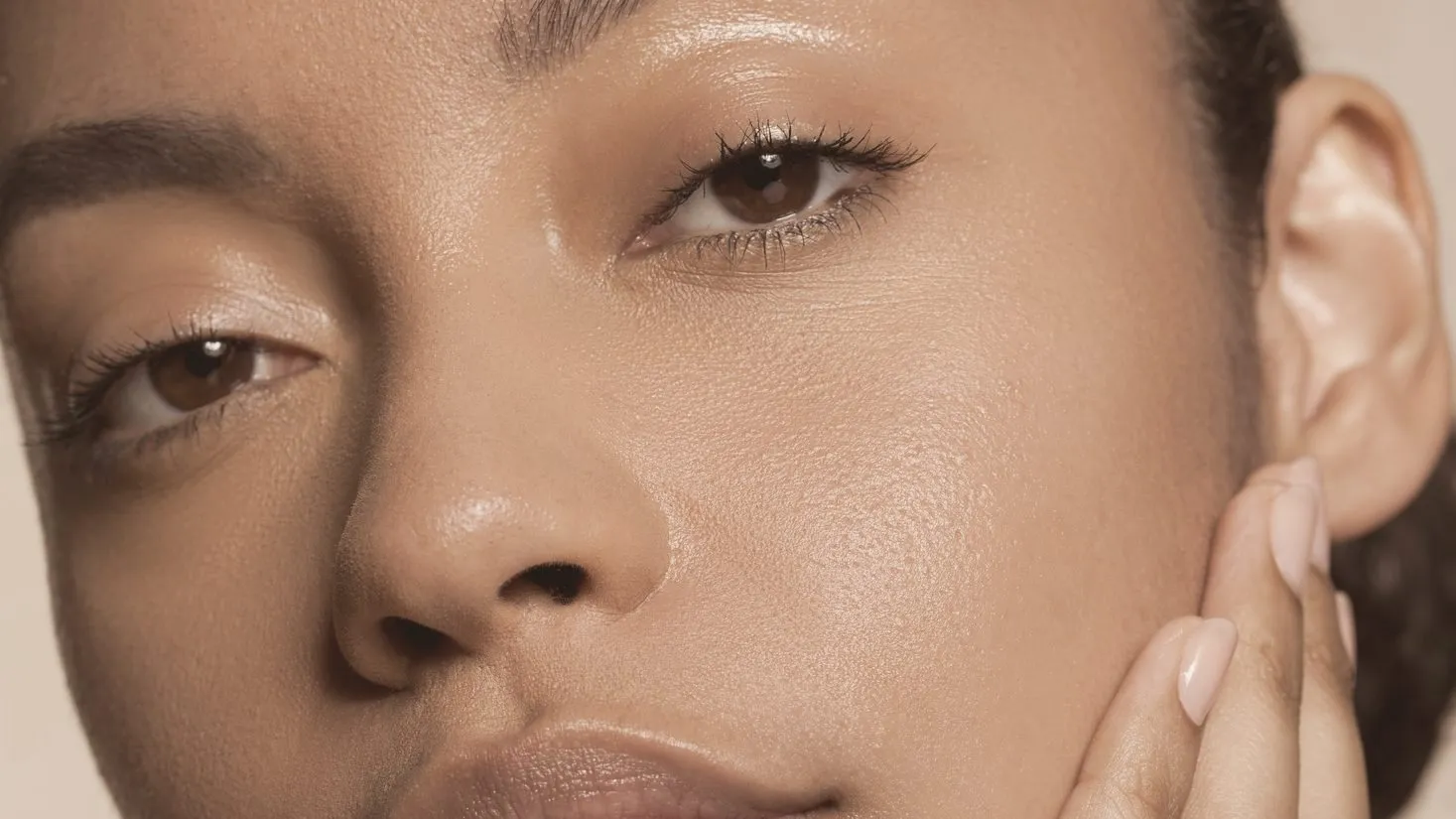
Polynucleotides are a regenerative injectable treatment often used for tired under-eyes, where the skin has become thin, crepey or less firm. At Aurum Medical Aesthetics in Shirley, Solihull, we use Plinest polynucleotides, given as a course of two to three sessions three to four weeks apart, at £250 per 2ml. Under-eyes can look tired for several different reasons, so every plan starts with a consultation and skin analysis.
Tired-looking under-eyes are one of the most common things people mention at a consultation. Sleep and a good eye cream only go so far, because the cause is often the skin itself. This guide explains why under-eyes look tired, how polynucleotides work and whether they are the right treatment for you.
Why do under-eyes look tired?
The skin under the eyes is some of the thinnest on the face, so changes in skin quality, pigment and volume show there first.
- Thin, crepey skin: the skin loses firmness and creases easily, which makes the area look tired and darker.
- Pigmentation: brown or grey shading in the skin itself.
- Hollowness: a shadow or groove under the eye, caused by changes in volume.
- Lifestyle: lack of sleep, allergies and screen time can all make the area look puffier or darker for a while.
Each one needs a different approach. Polynucleotides are best suited to the first: thin, crepey skin that has lost its bounce.
What are polynucleotides?
Polynucleotides are purified DNA fragments, injected into the skin to support its natural repair and improve its quality over time.
They are usually derived from purified salmon or trout DNA, which is why we always ask about fish allergies first. They do not add volume or change the shape of the area. Their job is to improve the condition of the skin, which is why they are often used for the delicate under-eye area.
How can polynucleotides help under-eyes?
Polynucleotides aim to improve the quality of thin, crepey under-eye skin, so it looks smoother, firmer and less tired.
Because they work on the skin itself, the change is gradual. The aim is for you to look more rested, without it being obvious that you have had treatment. Many people notice the area looks smoother and brighter a few weeks after their second session.
How many polynucleotide sessions will I need?
A course of two to three sessions, three to four weeks apart, is usual.
The improvement builds across the course. Afterwards, a top-up session every six to twelve months can help maintain it, and we will suggest what suits you.
How much do polynucleotides cost in Solihull?
At Aurum Medical Aesthetics, polynucleotides are £250 per 2ml.
Every new patient starts with a New Patient Consultation. It costs £50, includes a full OBSERV 520x skin analysis, and is redeemable against any treatment or product. The analysis is especially useful for under-eyes, because it shows pigmentation and other changes beneath the surface that you cannot see in the mirror.
What happens during the appointment?
The appointment takes about 45 minutes, and small bumps where the product was placed usually settle within a few hours.
We start by checking your medical history and looking closely at the area. Numbing cream can be applied first. As with any treatment around the eyes, there is a chance of minor bruising, which usually fades within a few days. For the first 24 hours we advise avoiding make-up, strenuous exercise and alcohol, and you leave with written aftercare advice.
Are polynucleotides right for my under-eyes?
They suit thin, crepey under-eyes best. If pigmentation or hollowness is the main cause, a different or combined plan may work better.
Polynucleotides are not suitable for everyone. They are not given during pregnancy or breastfeeding, or to anyone with a fish allergy or an active skin infection in the area, and we check your full medical history before any treatment.
What you notice and what may help
| Likely cause | What we may suggest | |
|---|---|---|
| Fine lines and skin that creases easily | Thin, crepey skin | Polynucleotides |
| Brown or grey shading in the skin | Pigmentation | Skin analysis and medical-grade Obagi skincare |
| A shadow or groove under the eye | Hollowness | Assessed at consultation, as hollowness needs a different approach |
| Tired, dull skin across the whole face | Overall skin quality | Profhilo or a Skintrinsiq facial |
A guide only. Your treatment and plan are confirmed at your consultation.
As with any treatment, individual results vary. Suitability, risks and alternatives are discussed fully at your appointment.
Frequently asked questions
Jabran Khan, an independent nurse prescriber with 16 years in nursing and a Level 7 Diploma in Cosmetic Injectables and Dermatology from Harley Academy, London, or Dr Gadah Al-Ani, a GDC registered dentist with a Level 7 Diploma in Cosmetic Injectables from Harley Academy.
They can improve thin, crepey skin that makes the area look darker, but on their own they do not treat pigmentation. Your skin analysis shows which applies to you, and we plan around that.
No. Profhilo is a hyaluronic acid treatment that hydrates and firms the skin across the whole face. Polynucleotides are a regenerative treatment that is often used for the delicate under-eye area. Some people benefit from both.
Most people find it very manageable, especially with numbing cream. You may feel small pinches as the product is placed.
£250 per 2ml, usually as a course of two to three sessions.
At Aurum Medical Aesthetics, inside Anna Hudson Hair at 5 Farmhouse Way, Shirley, Solihull B90 4EH. There is free parking.
Tired of tired-looking eyes? Book a consultation and we will start by finding out what is behind them.
Book a consultation Back to all articles